

What To Know
- This remarkable milestone, reached over the course of five separate space missionsis a testament to the longevity of Oleg Kononenko’s career as an astronaut.
- One of the main challenges encountered in microgravity is the redistribution of body fluidssuch as blood, which tend to migrate to the upper body.
- Oleg Kononenko’s return to Earth will thus provide a valuable opportunity to study these effects on the human bodyThe data collected will indeed be essential to better understand the underlying mechanisms of physiological adaptations to microgravity and to improve prevention and rehabilitation strategies for future long-duration space travel.
On June 5, Russian cosmonaut Oleg Kononenko achieved a historic feat by becoming the first human to spend 1,000 days in orbit around the Earth. The remarkable achievement caps an exceptional career for Kononenko, who had already surpassed the previous space stay record held by his compatriot Gennady Padalka in February. In breaking this record, Kononenko has already demonstrated exceptional commitment and endurance in the field of space exploration.
A new record
This remarkable milestone, reached over the course of five separate space missionsis a testament to the longevity of Oleg Kononenko’s career as an astronaut. Despite the achievement of this record, the cosmonaut has no intention of slowing down. His departure from the International Space Station is indeed scheduled for September 23, which will mark a new chapter in his space journey. At that time, his total days in orbit will reach 1,110 daysor about three full years spent in space. In a statement Speaking to the Russian news agency TASS, Oleg Kononenko expressed his pride and sense of accomplishment for reaching this milestone. He described the feeling of touching the unknown and accomplishing something new, which strengthens his confidence and pride in his work. Note that American astronaut Peggy Whitson holds the NASA record with 665 days in spacean impressive achievement, but still far behind Kononenko’s. As for the longest continuous stay, cosmonauts remain in the lead. Valeri Polyakov holds the record for 437 days and 18 hours aboard the Mir space station in the mid-1990s. On NASA’s side, the record for continuous missions is held by Frank Rubio. He stayed on the station longer than planned due to a problem with the spacecraft, totaling 371 days.
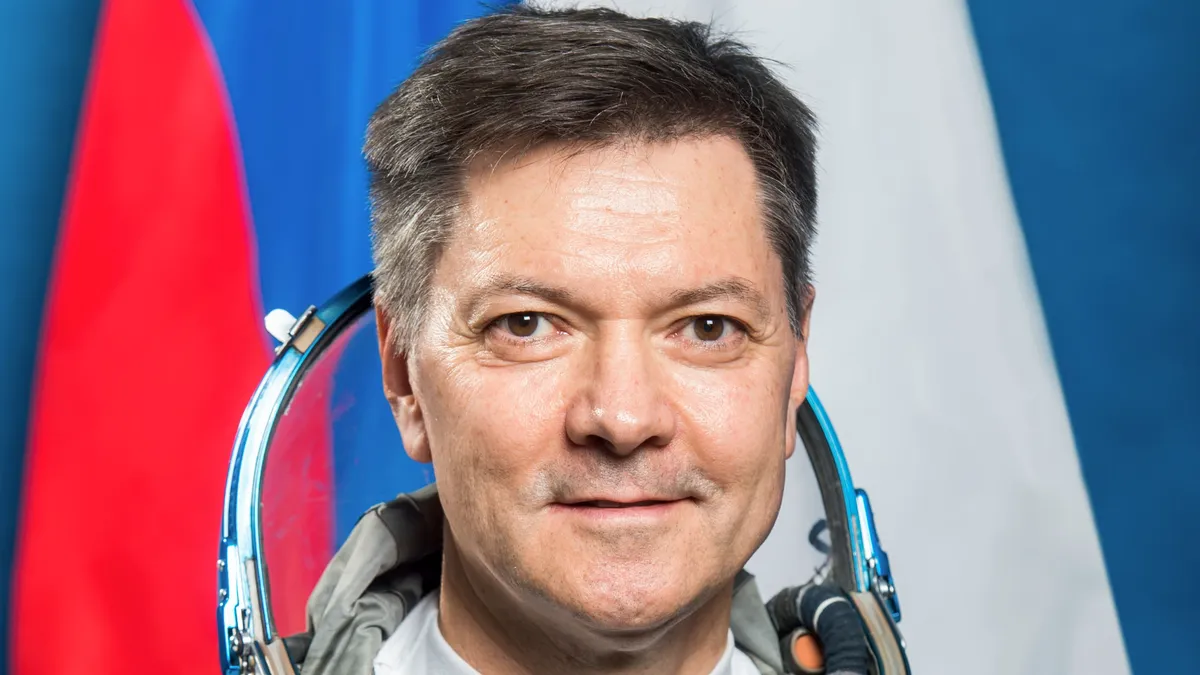 The official portrait of Oleg Kononenko. Credits: NASA / Andrey Shelepin
Many effects on the human body
Naturally, spending so much time in orbit exposes astronauts to a range of physiological effects resulting from microgravity. One of the main challenges encountered in microgravity is the redistribution of body fluidssuch as blood, which tend to migrate to the upper body. This redistribution can cause uncomfortable adjustments in the cardiovascular and vestibular systems, sometimes causing feelings of discomfort and nausea in astronauts new to space. In addition, microgravity has deleterious effects on bone and muscle mass astronauts. Without gravity to exert pressure on bones and muscles, these tissues tend to gradually atrophy. Astronauts can lose up to 1 to 2 percent of their bone mass per month in space, which can lead to decreased bone density and an increased risk of fractures. At the same time, the loss of muscle density can lead to decreased muscle strength and endurance, compromising astronauts’ ability to perform physically demanding tasks during and after their space mission. To mitigate these adverse effects, astronauts must therefore follow a rigorous physical training program aboard the space station, including resistance, cardio and flexibility exercises. However, despite these efforts, some physiological changes persist and may require prolonged rehabilitation once they return to Earth. Oleg Kononenko’s return to Earth will thus provide a valuable opportunity to study these effects on the human bodyThe data collected will indeed be essential to better understand the underlying mechanisms of physiological adaptations to microgravity and to improve prevention and rehabilitation strategies for future long-duration space travel.


